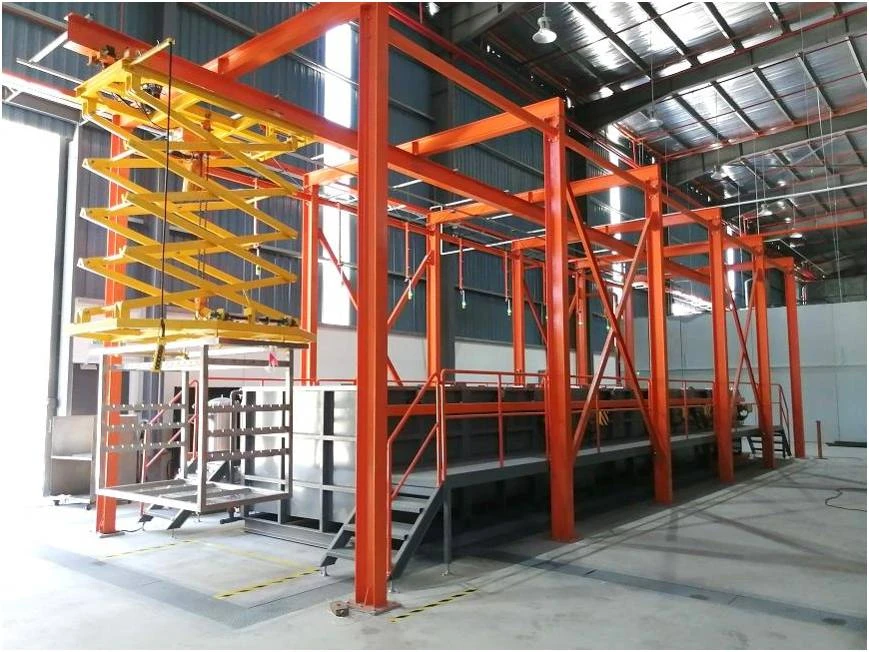
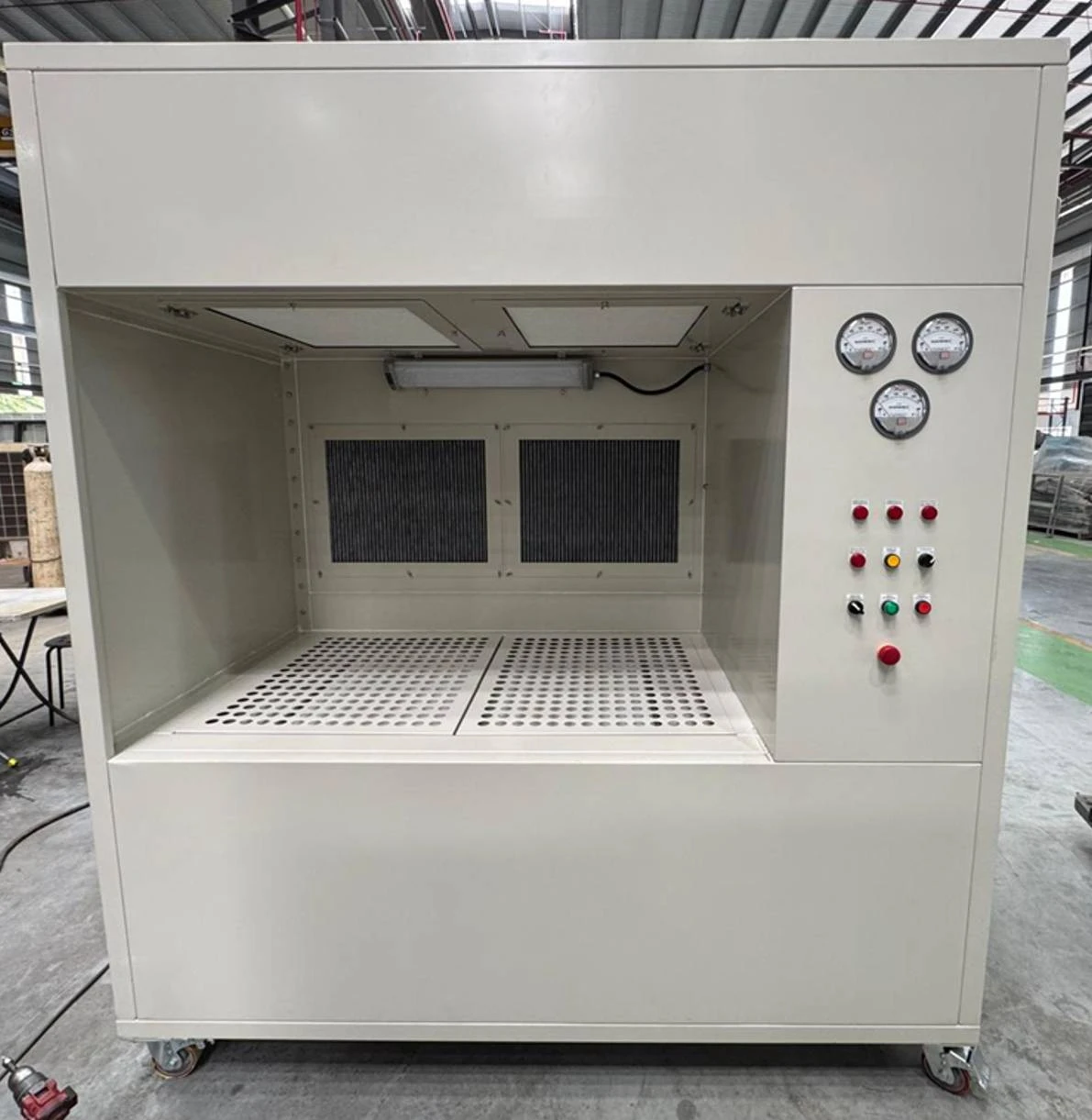

Contamination Assessment
Identify the type of contamination and required surface condition based on the component and downstream process.

Cleaning / Surface Preparation
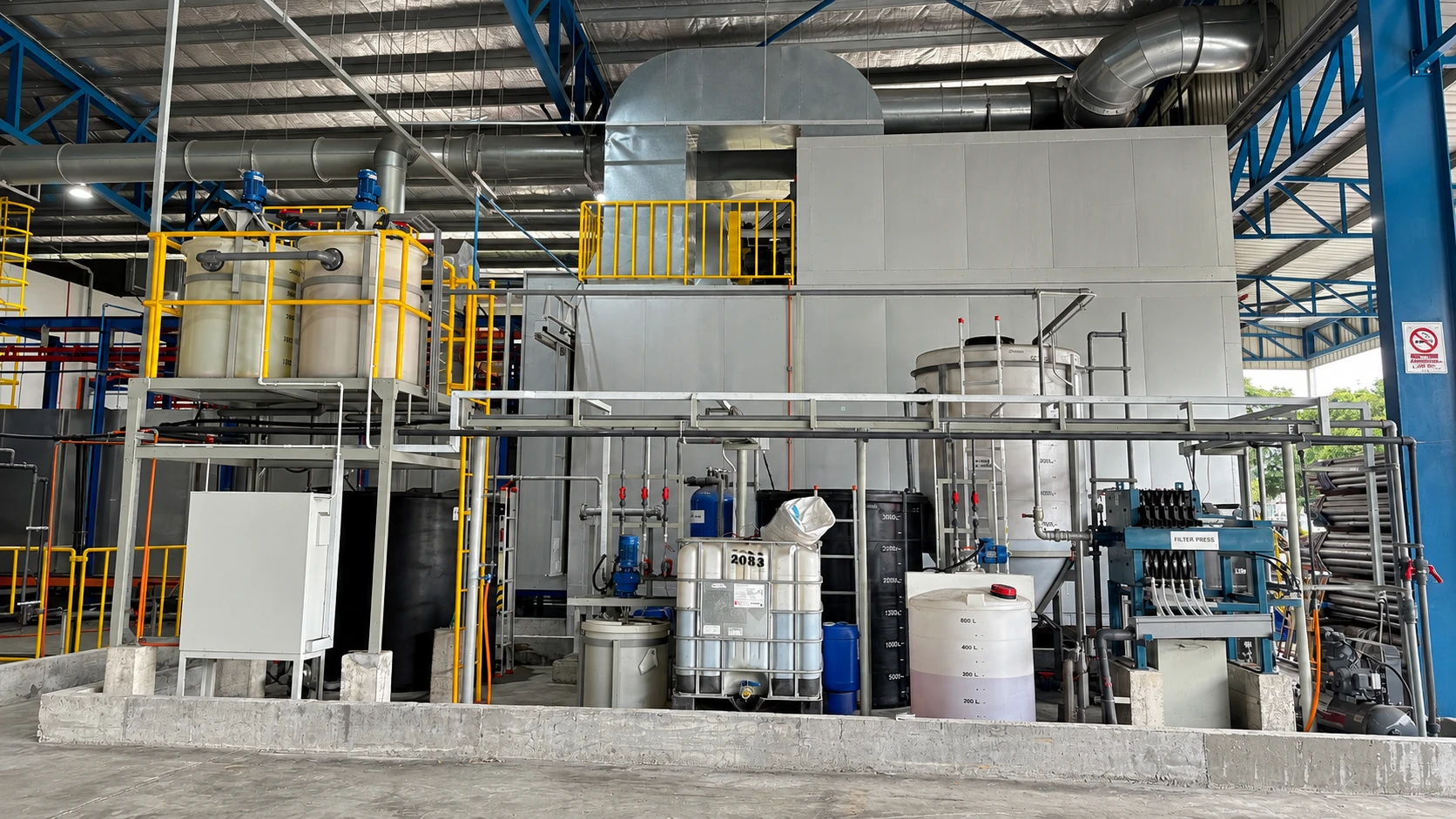
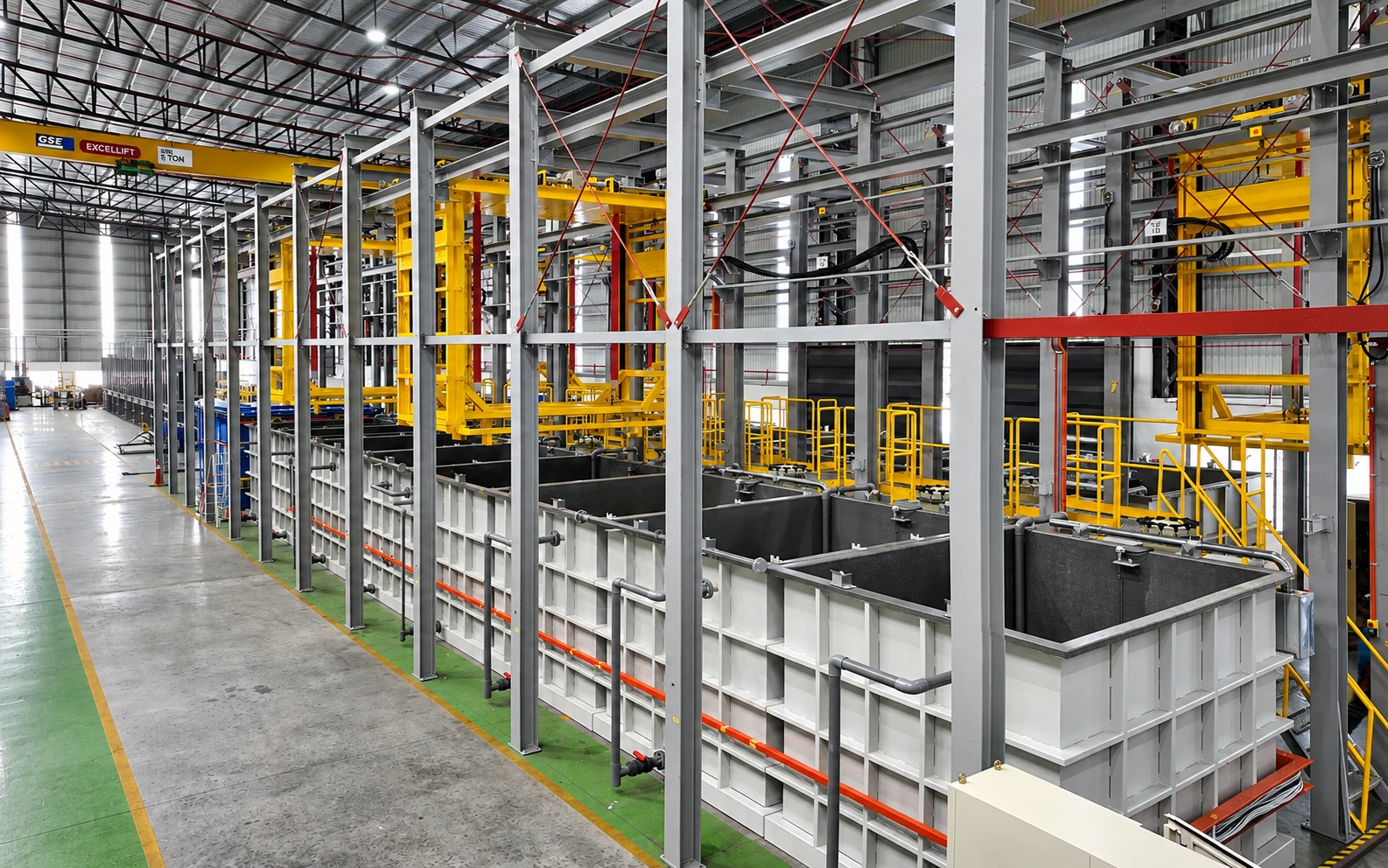
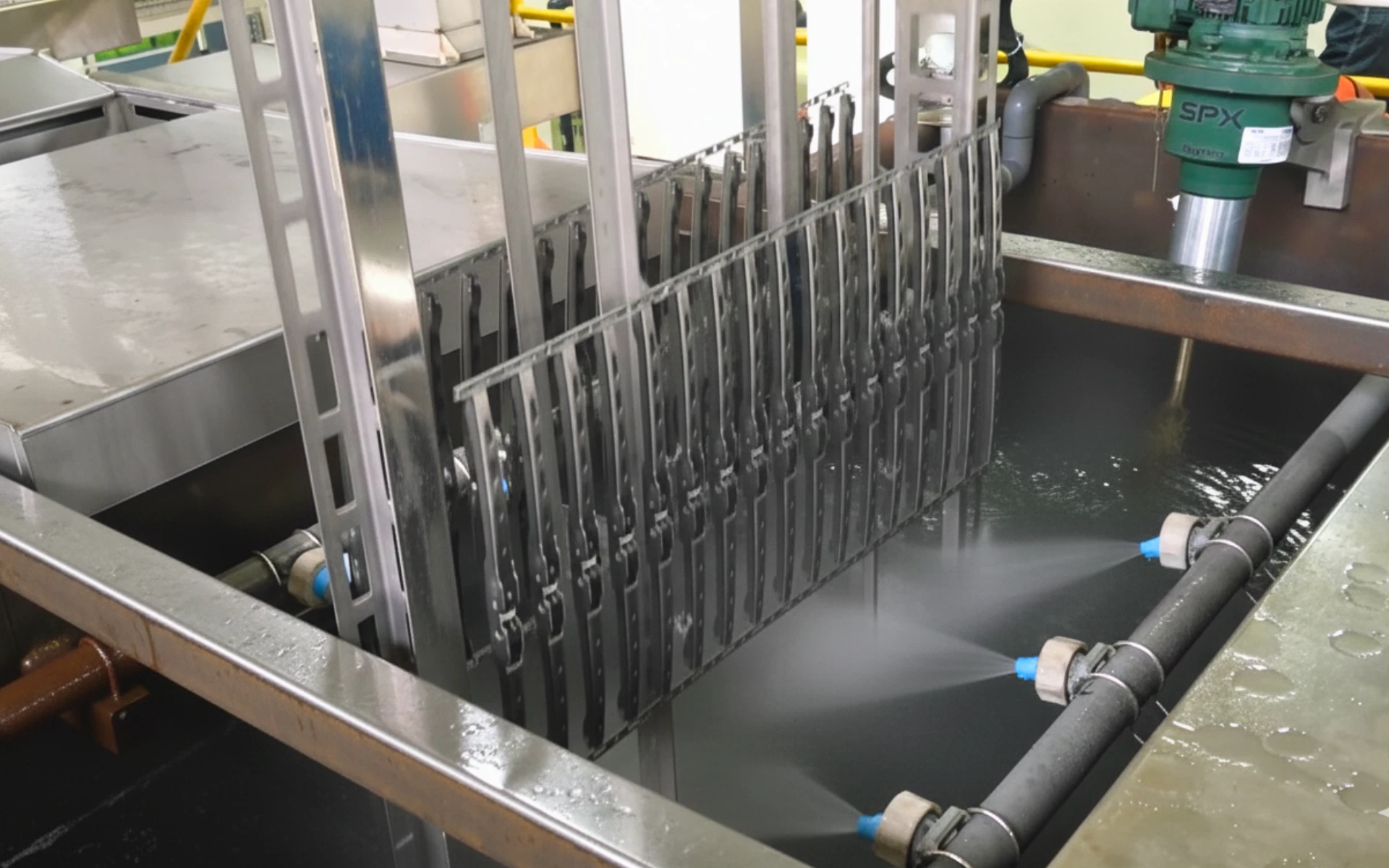
Apply the appropriate cleaning or surface preparation method to remove contaminants and prepare the component.

Process Treatment
Carry out the required treatment process, such as pretreatment, sanding, grinding or blasting, according to the application.

Rinsing / Residue Removal
Remove remaining cleaning agents, residues or contaminants where required by the process.

Drying
Dry components under suitable conditions before coating, assembly or the next production stage

Surface Condition Verification
Check surface condition and cleanliness to ensure components meet the requirements of the next process.

Output & Process Transfer
Transfer prepared components to the next production stage once the required surface condition has been achieved.
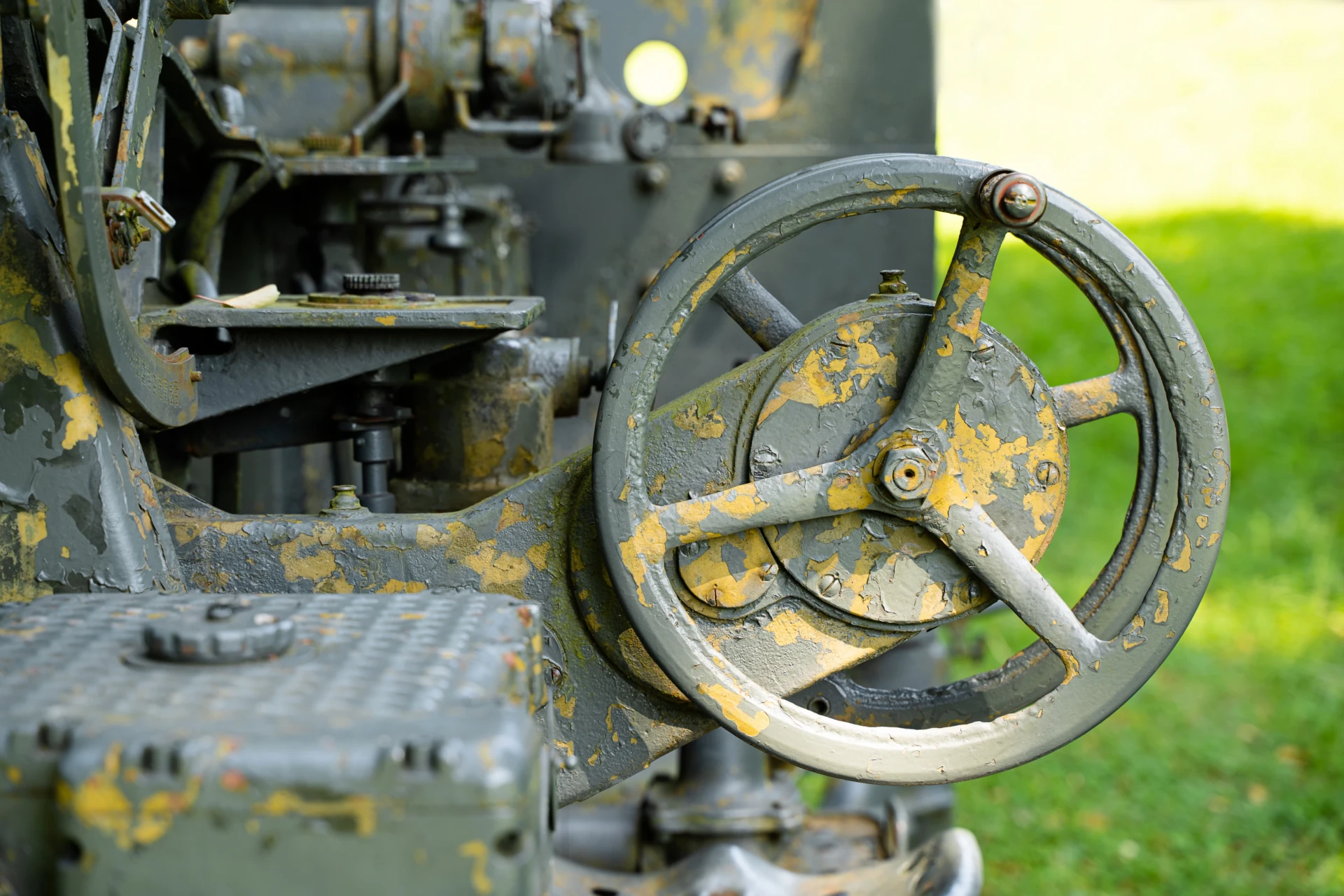
Oil, grease, or dust contamination affecting downstream processes
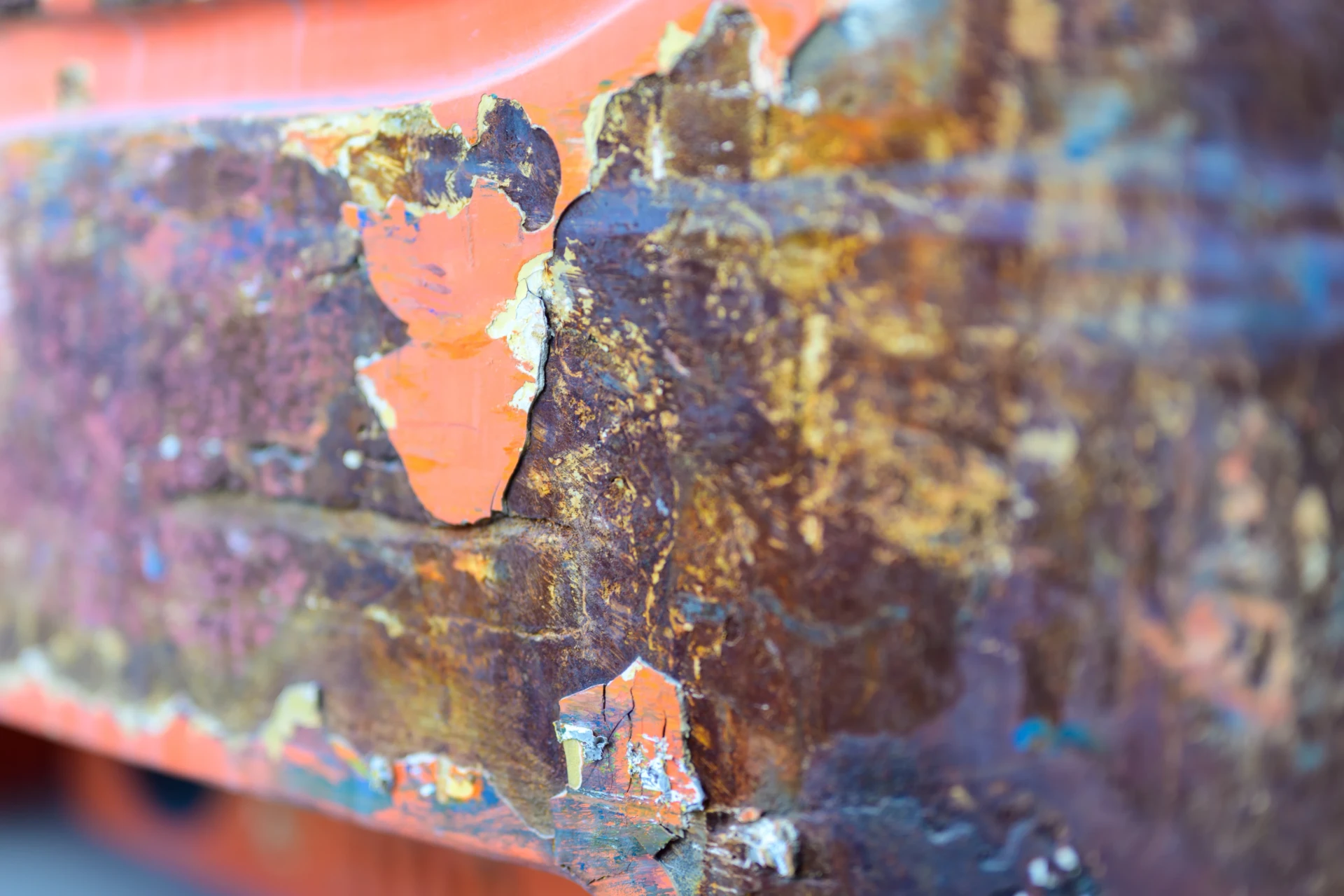
Poor coating adhesion caused by insufficient surface cleaning

Inconsistent cleaning quality from unstable process control
Production downtime due to manual cleaning limitations or inefficient system layout
Rework and rejection caused by residue, moisture, or contamination carryover