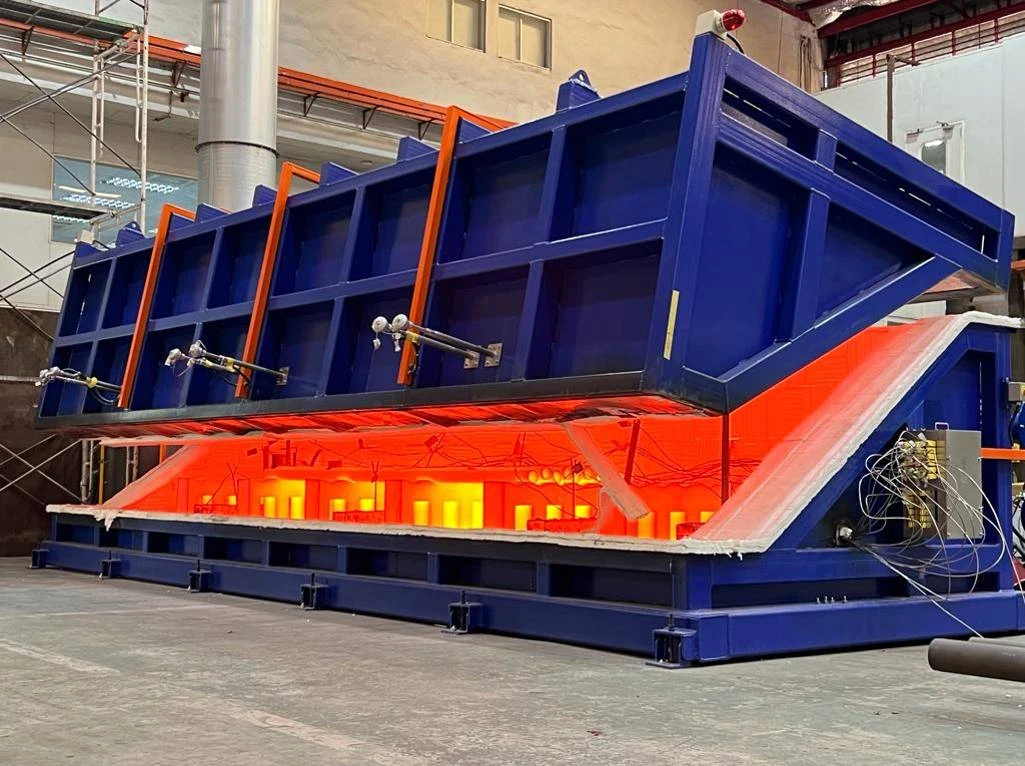
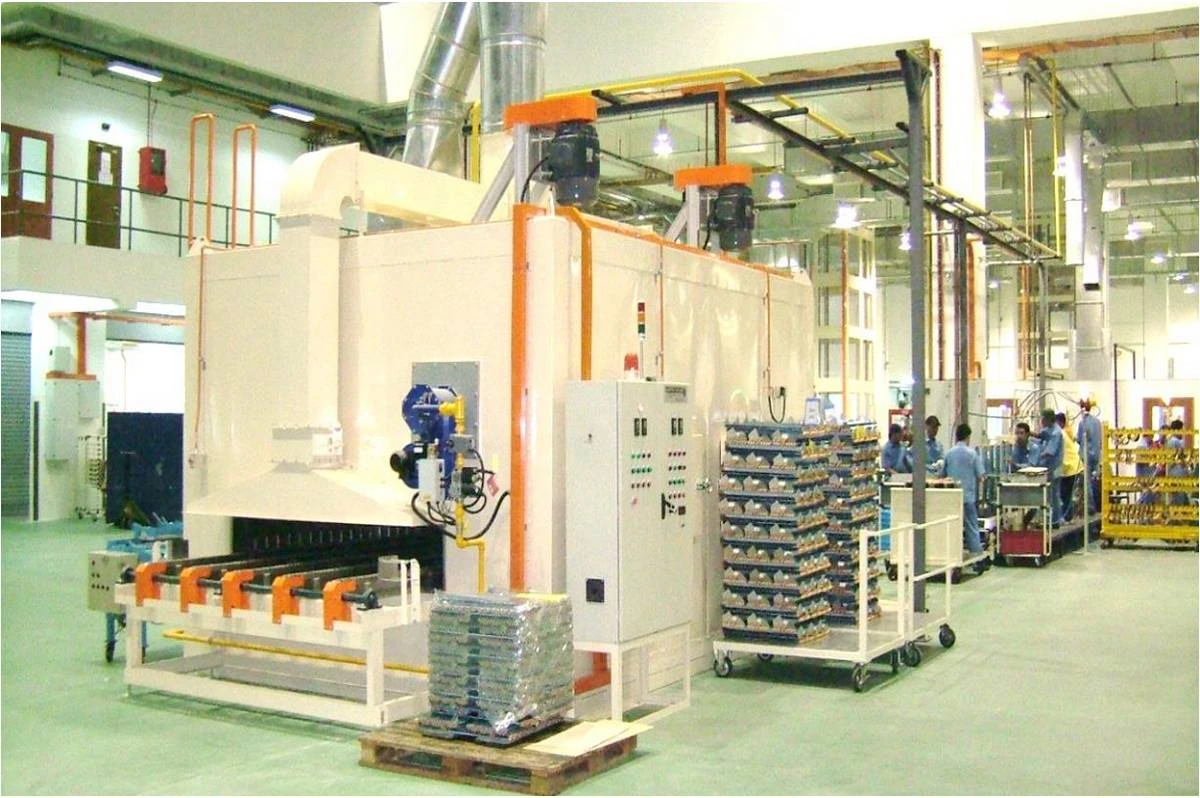
Heating Type Overview

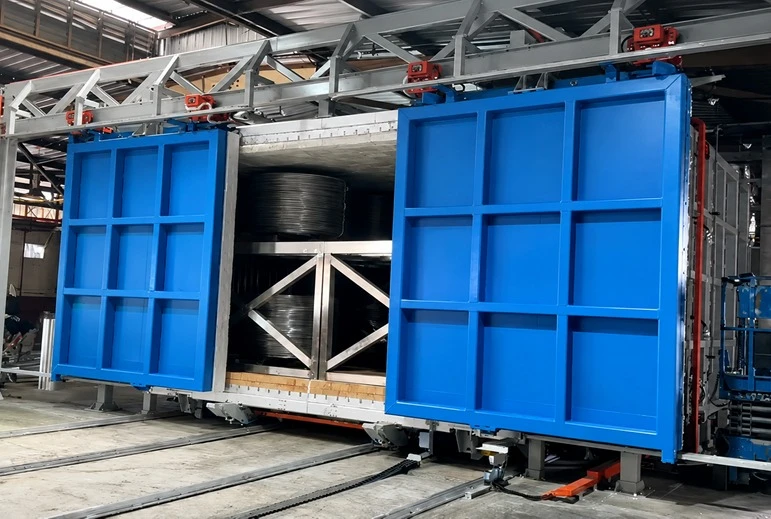
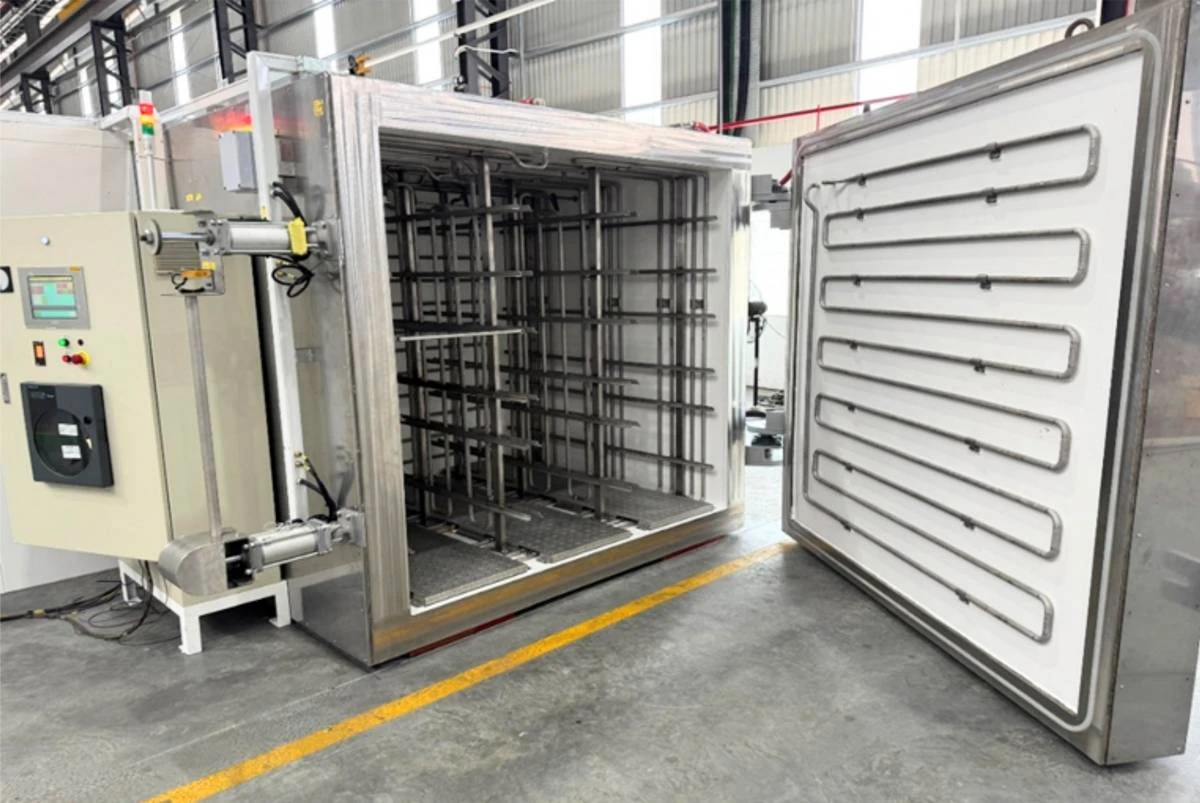
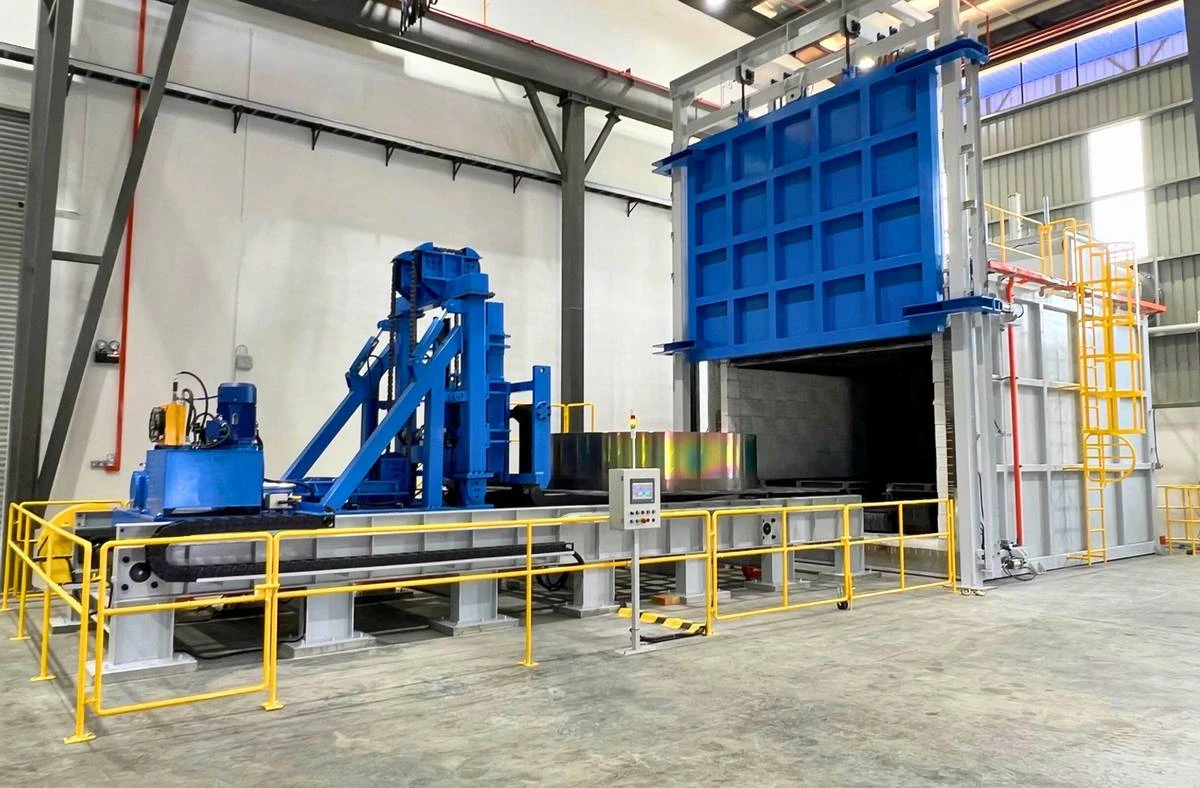
A heating system is designed to apply controlled thermal energy to products or components as part of an industrial process. It is commonly used for drying, preheating, curing, baking, or heat treatment, where consistent temperature exposure is critical to product quality, material performance, and process stability.

How It Works

A heating system works by generating and distributing heat in a controlled way across the product and process zone. The system must manage not only temperature, but also dwell time, airflow pattern, and heat uniformity to ensure every part receives the required thermal treatment. This helps avoid underheating, overheating, uneven curing, or product distortion.
16.Picture59
111
Product Loading

Components enter the heating system through manual loading, racks, trays, conveyors, or automated transfer depending on the production setup.

222
Heat Generation

The system produces heat using electric heaters, gas burners, infrared technology, or other suitable heating sources based on the application and required thermal performance.

333
Heat Distribution

Airflow design, circulation fans, ducting, or radiant heat arrangement ensure heat is distributed evenly throughout the chamber or process area.

444
Temperature Control & Monitoring

Sensors and control systems continuously monitor and regulate the heating condition to maintain the required temperature range throughout the cycle.

555
Thermal Processing

The product is exposed to heat for a defined duration to achieve the intended result, such as moisture removal, coating cure, material stabilisation, or process activation.

666
Cooling or Exit Transition

After heating, the product may pass through a controlled cooling stage or transition zone to prevent thermal shock and maintain product quality.

777
Output & Process Verification

The heated product proceeds to the next stage only after the required thermal condition, curing state, or process result has been achieved.

Typical Problems Solved

Process Highlights

ESG & Energy Efficiency

GSE designs heating systems with sustainability and operating efficiency in mind. By optimising heat transfer, insulation performance, airflow circulation, and temperature control, we help reduce energy waste, minimise heat loss, and lower total lifecycle cost without compromising process consistency.
Key focus areas:
7

FAQs

72
What is an industrial heating system used for?
An industrial heating system is used to dry, cure, preheat, or heat-treat components and materials as part of a controlled production process.
Depending on the application, heating systems can use electric heaters, gas burners, infrared heating, or other thermal methods to achieve the required process temperature.
The right system depends on factors such as product material, size, required temperature range, production volume, cycle time, and available factory space.
Yes. Heating systems can be designed for standalone operation or integrated with conveyors, transfer systems, and automation controls for continuous production flow.
A properly designed heating system improves temperature consistency, reduces energy loss, lowers rework rates, and helps maintain stable production quality over time.

Need a Reliable Engineering Partner?

Share your requirements and we will recommend the best-fit solution.