Industrial Automation Solutions
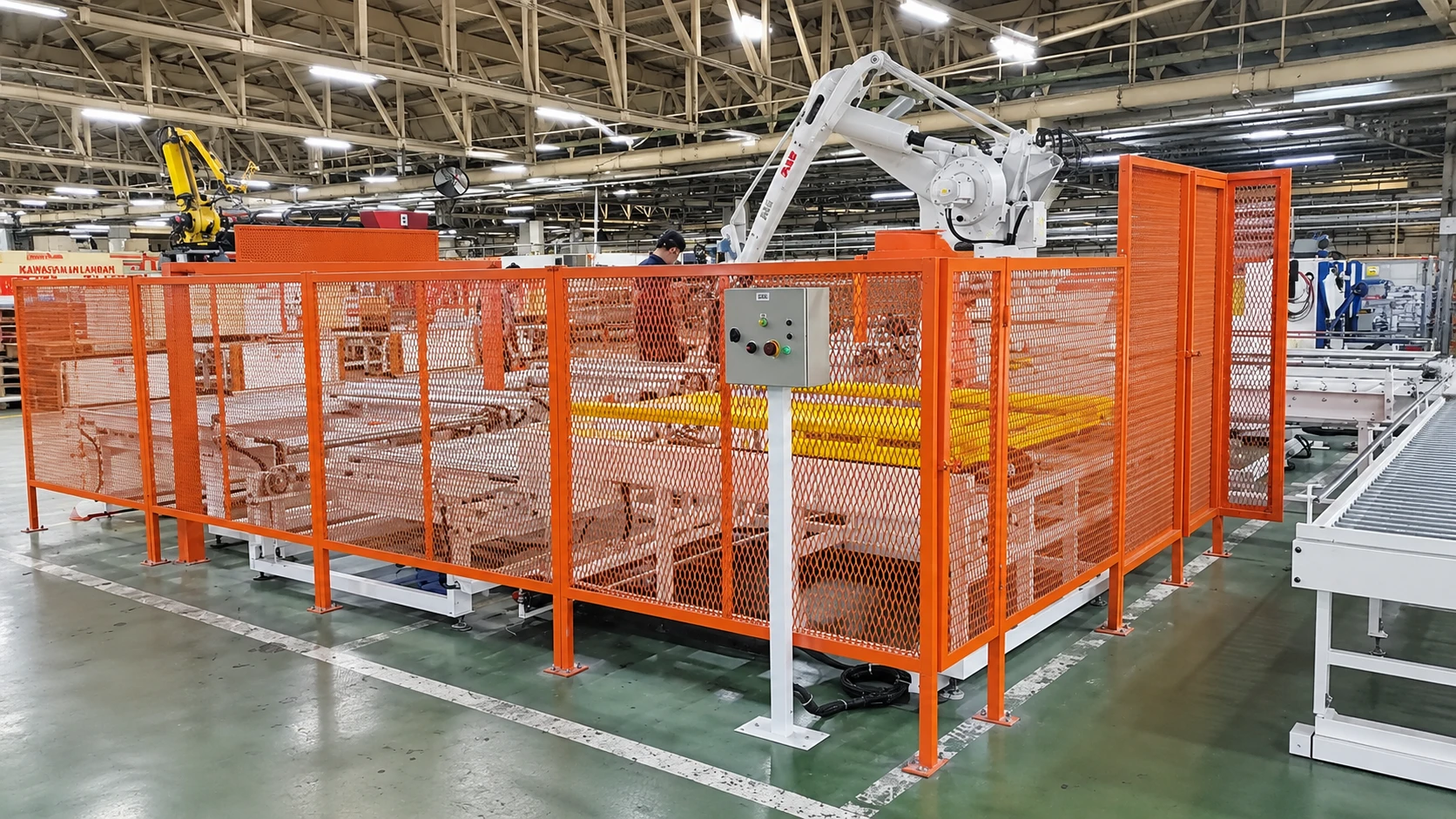
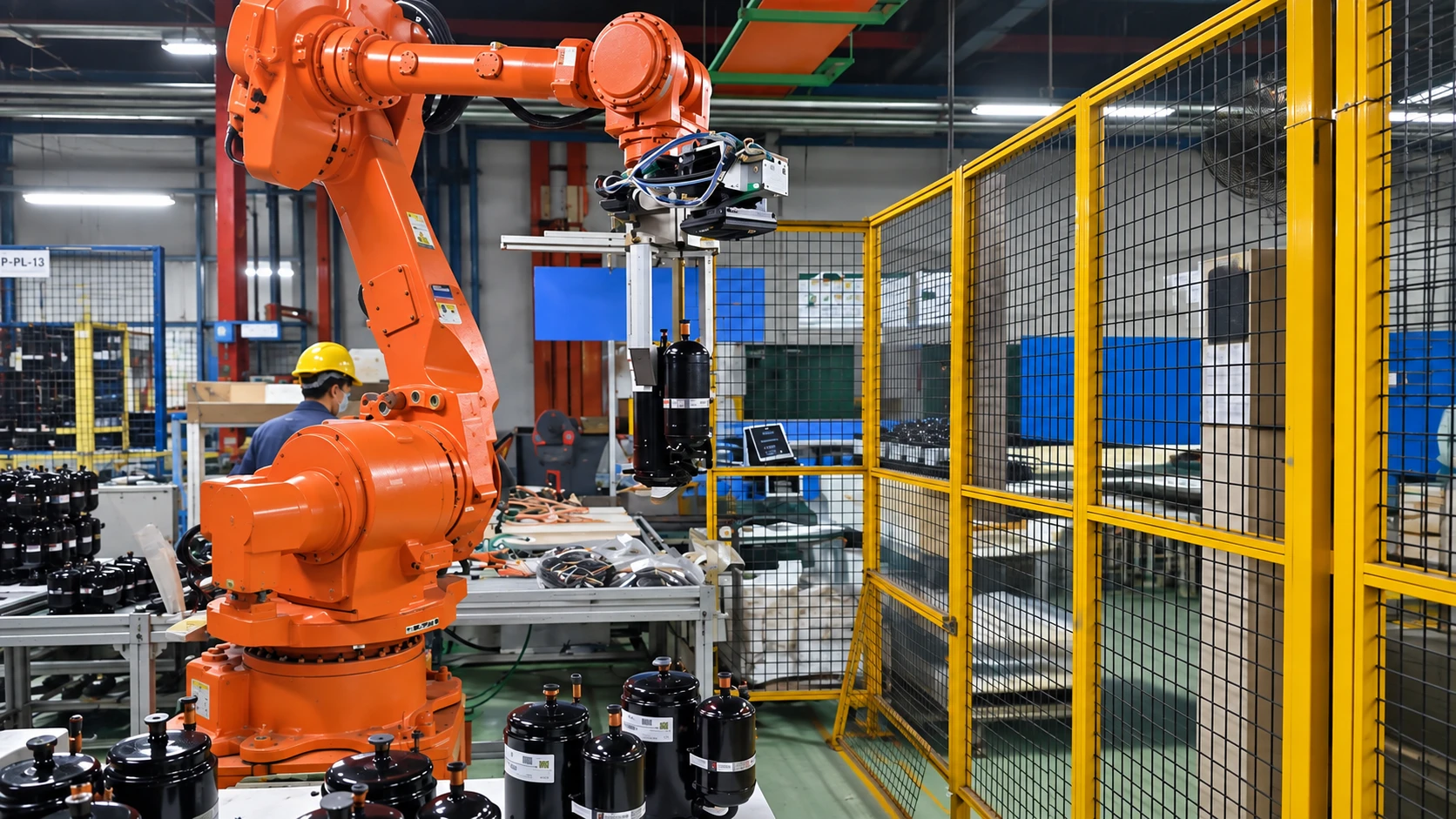
GSE-M designs and integrates industrial automation systems that connect machines, conveyors, robots, sensors and control systems into coordinated production workflows. Our solutions are configured to improve process consistency, handling efficiency, production flow and operational control.
How It Works
Industrial automation connects sensing, control, movement and process equipment into a coordinated workflow. Each stage works together to improve production consistency, reduce manual intervention and maintain controlled operation.

Input Detection
Sensors and field devices detect product position, machine status, cycle completion and operating conditions.

Command Processing
PLCs, HMIs and control systems interpret inputs and execute programmed logic.

Movement Coordination
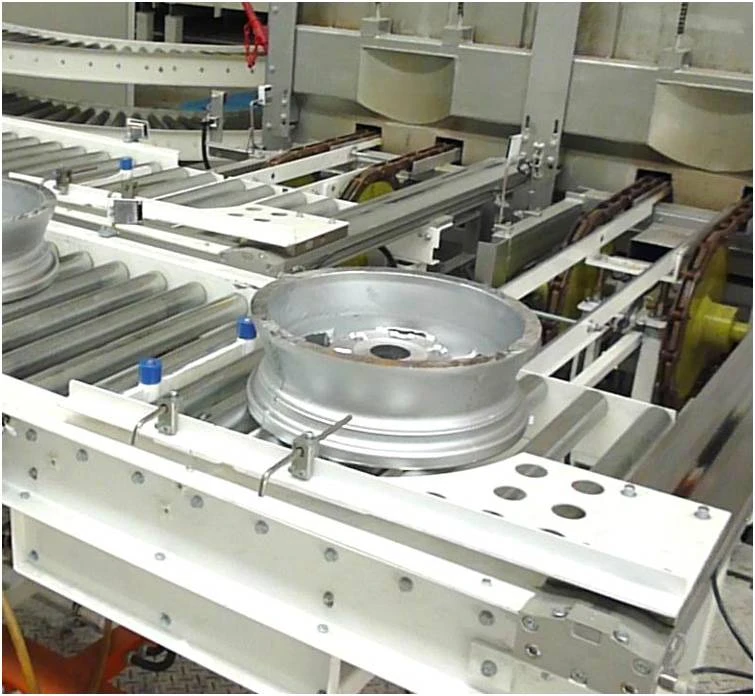
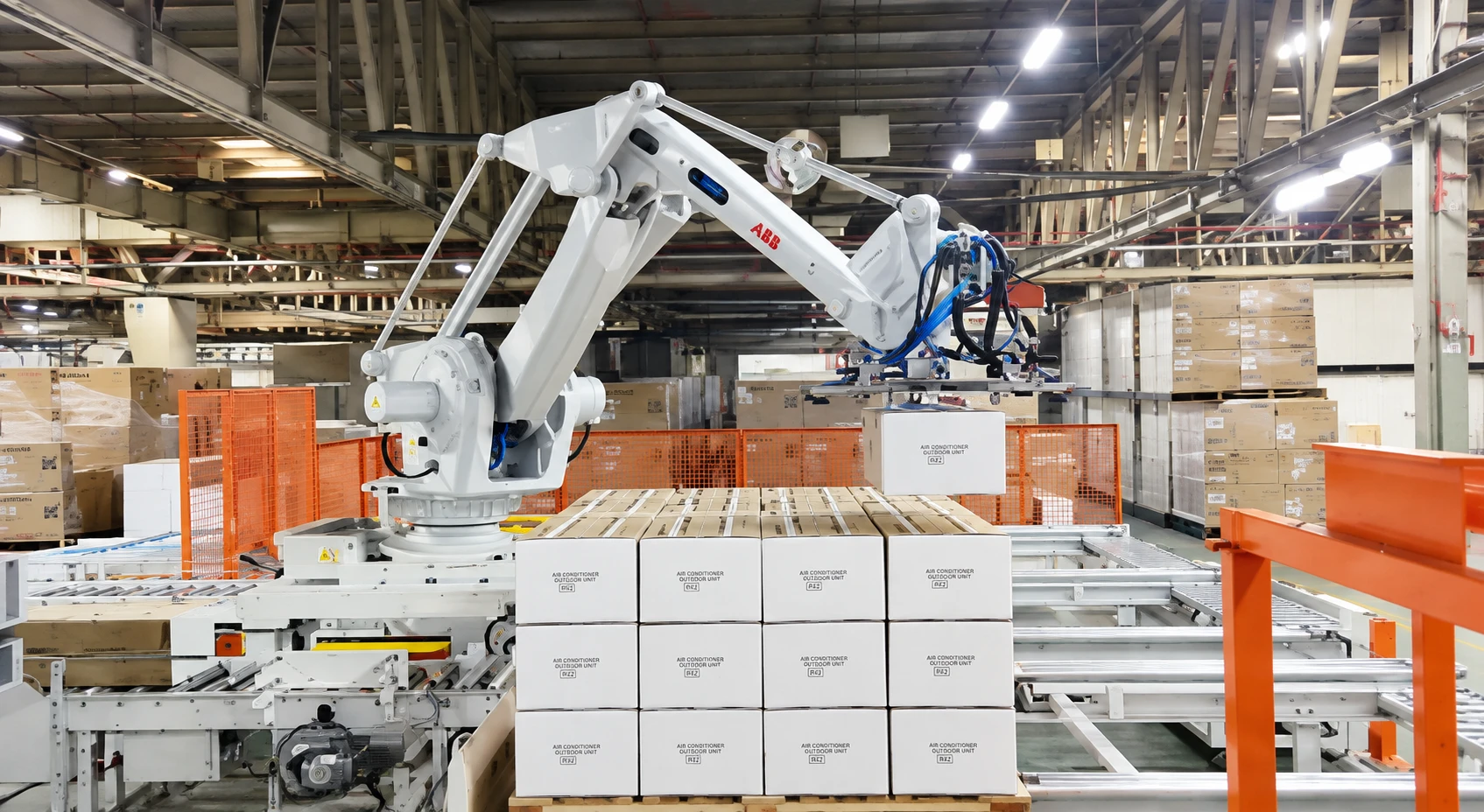
Conveyors, transfer units, robots and other handling equipment move products between process stages.

Machine Synchronisation
Machines and equipment operate in sequence to coordinate processing, handling and production timing.

Process Monitoring
System controls monitor cycle status, operating conditions and process parameters for consistent operation.

Safety Control
Safety devices, interlocks, emergency stops and guarding help maintain safe equipment operation.

Feedback & Optimisation
Operational data and system feedback support cycle-time improvements, process optimisation and long-term reliability.
Typical Problems Solved
Process Highlights
ESG & Energy Efficiency
GSE-M designs automation systems with operational efficiency and responsible resource use in mind. By coordinating equipment, optimising process sequences and reducing unnecessary machine operation, automation can help manufacturers improve productivity while reducing energy use, material waste and avoidable downtime.
- Smarter equipment usage: Coordinate machines, motors and transfer systems to operate when required through programmed logic and sequencing.
- Lower production waste : Improve process repeatability and reduce errors associated with inconsistent manual handling or missed operations.
- Resource efficiency : Optimise equipment utilisation, production flow and floor space through coordinated automation.
FAQs
Lorem ipsum dolor sit amet, consectetur adipiscing elit. Ut elit tellus, luctus nec ullamcorper mattis, pulvinar dapibus leo.
What is an automation system used for?
An automation system coordinates machines, handling equipment, sensors and control functions to automate production tasks. It can help improve process consistency, reduce manual intervention and maintain a controlled production flow.
Can automation be added to an existing production line?
Yes. Automation can be designed for new production lines or integrated into selected stages of an existing line, subject to layout, equipment compatibility and process requirements.
What types of equipment can be connected to the system?
Automation systems can integrate conveyors, robots, transfer units, sensors, PLC panels, HMIs, safety devices and process equipment, depending on the application and system requirements.
Is full automation necessary for every factory?
Not always. Some production processes may benefit from semi-automation, where selected manual tasks are automated to improve efficiency without requiring a fully automated line.
What are the main benefits of automation?
Automation can improve repeatability, reduce manual intervention, shorten cycle times, increase process visibility and support a more consistent production environment.
Need a Reliable Engineering Partner?
Share your requirements and we will recommend the best-fit solution.