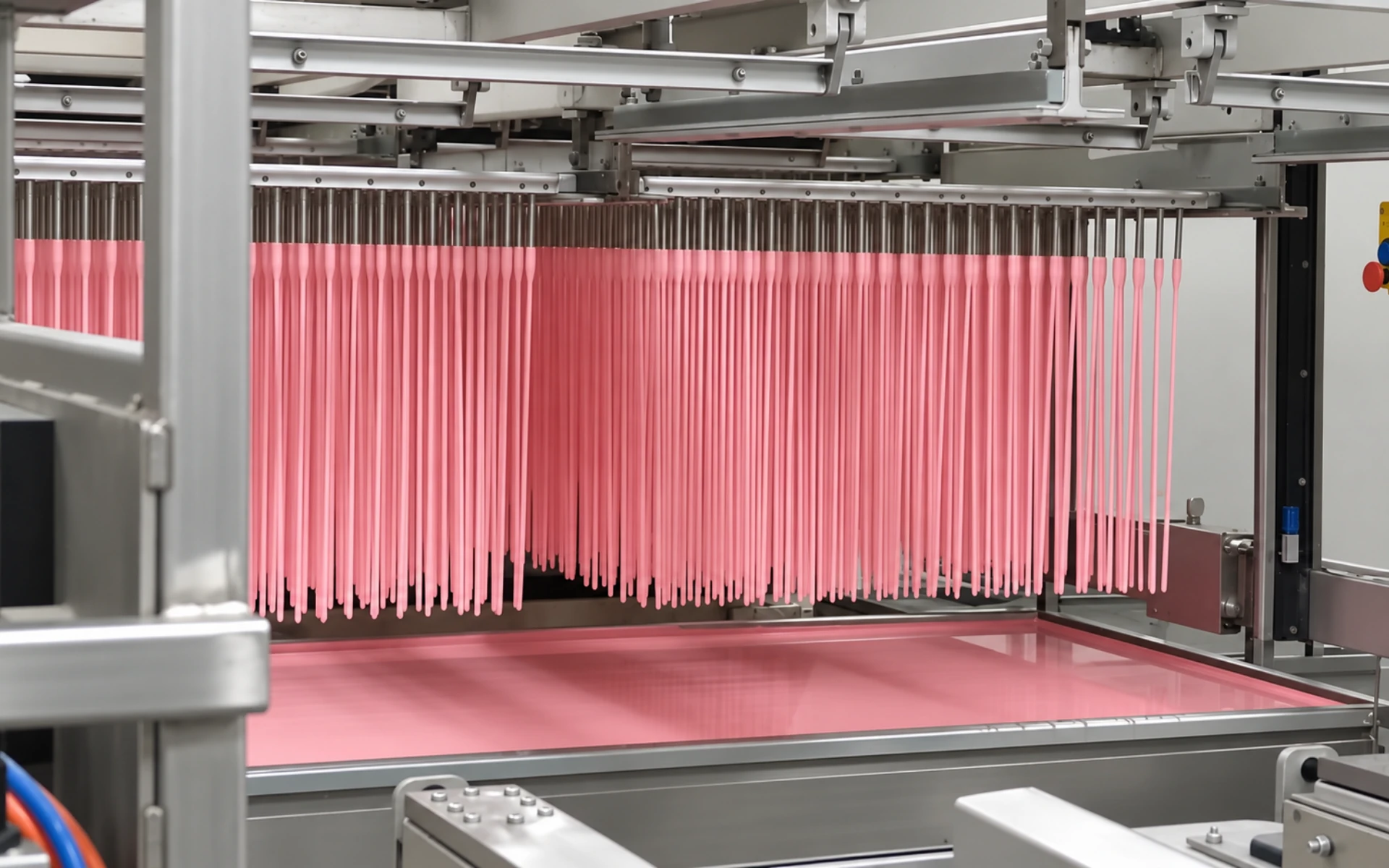
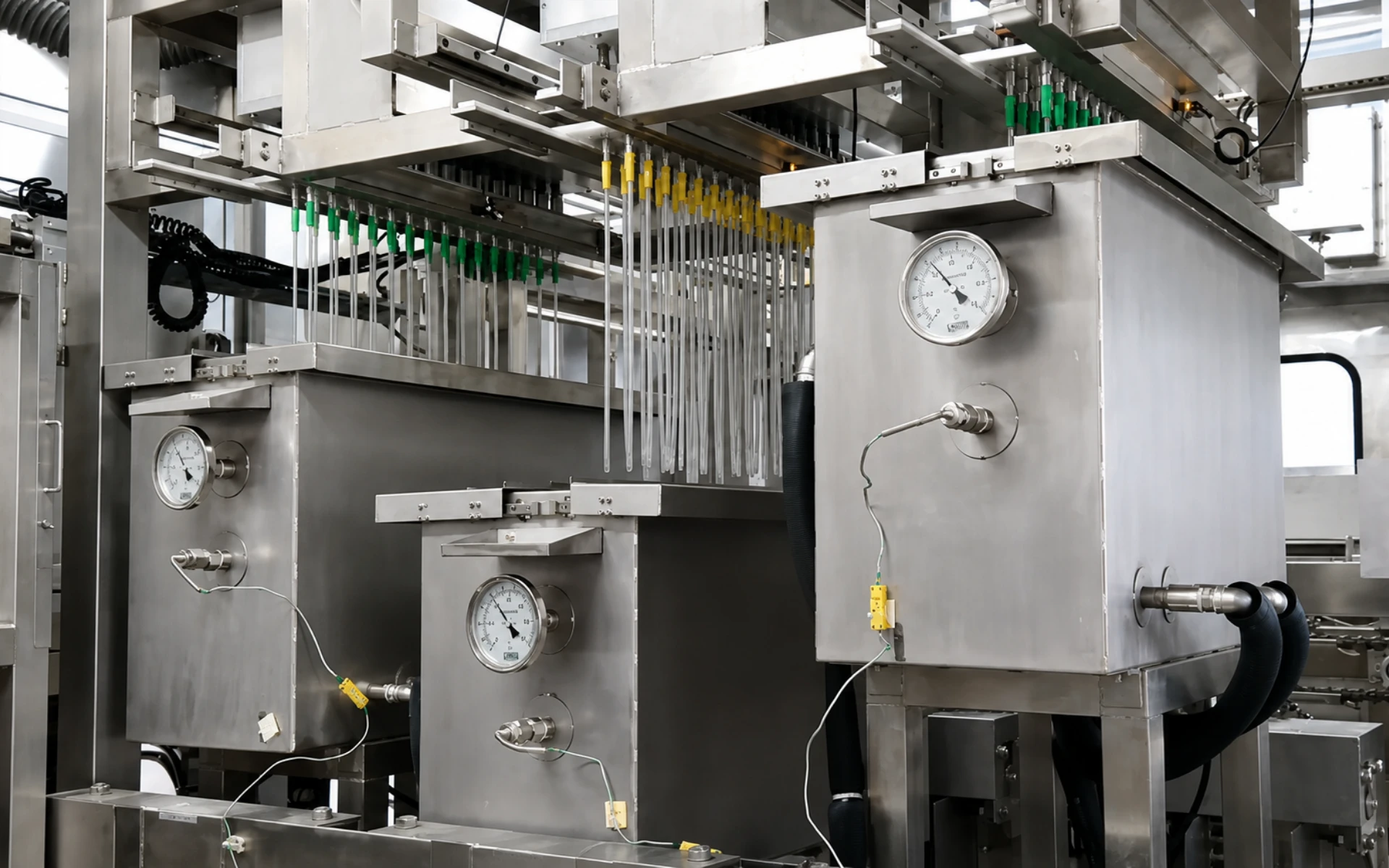
Dipping Type Overview

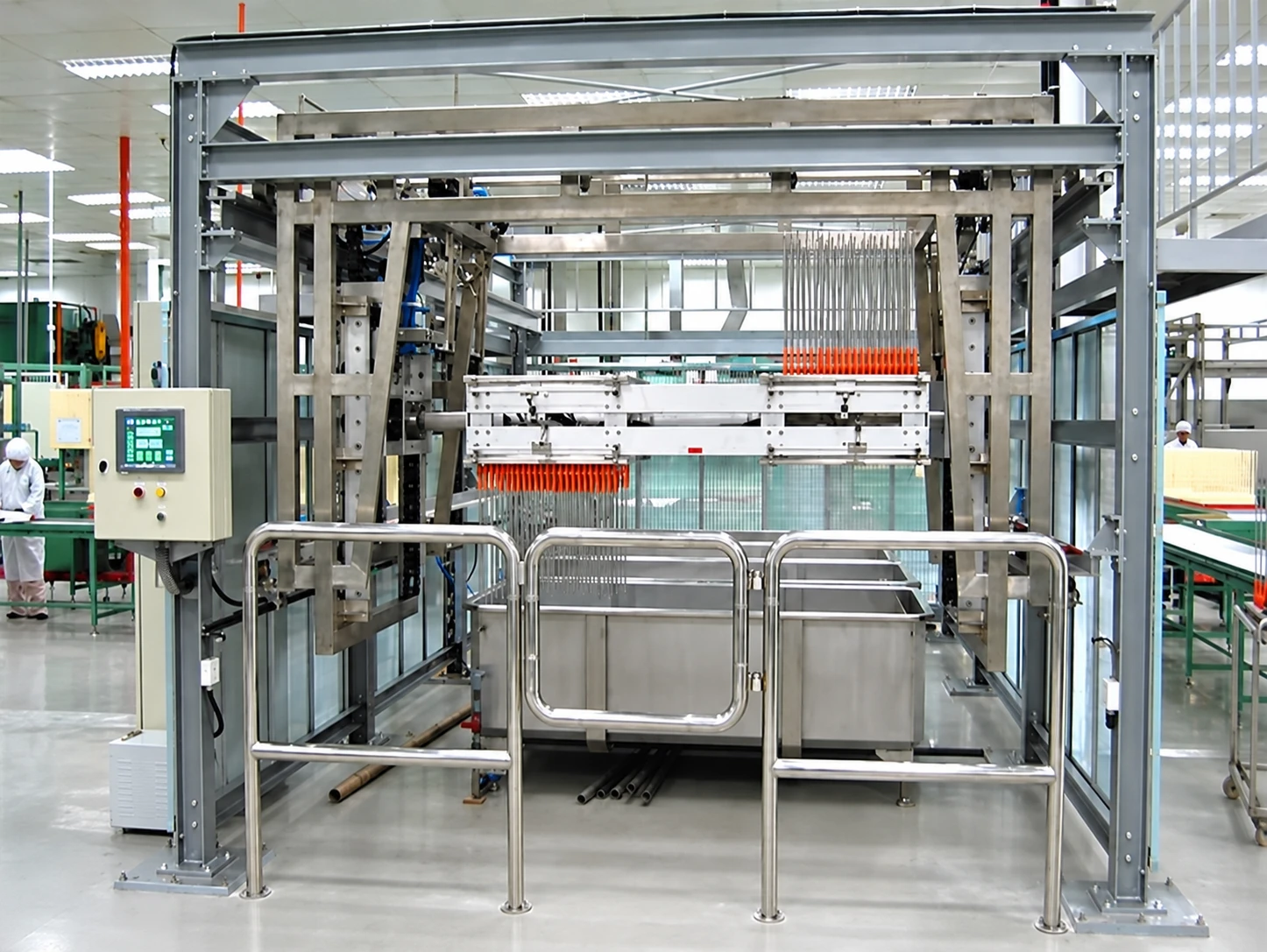
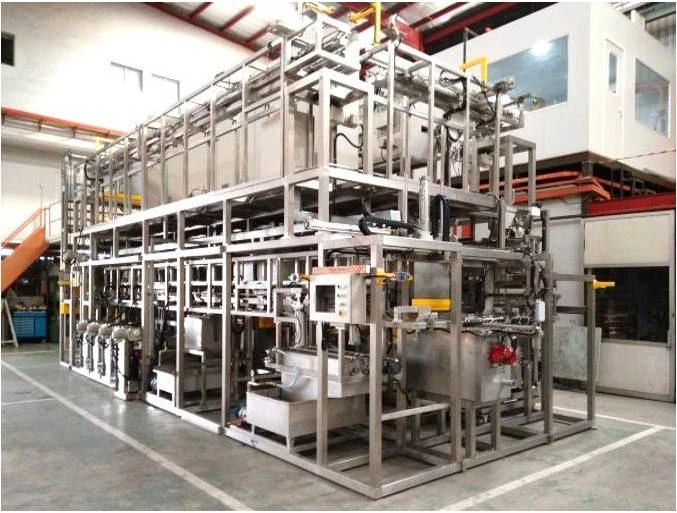
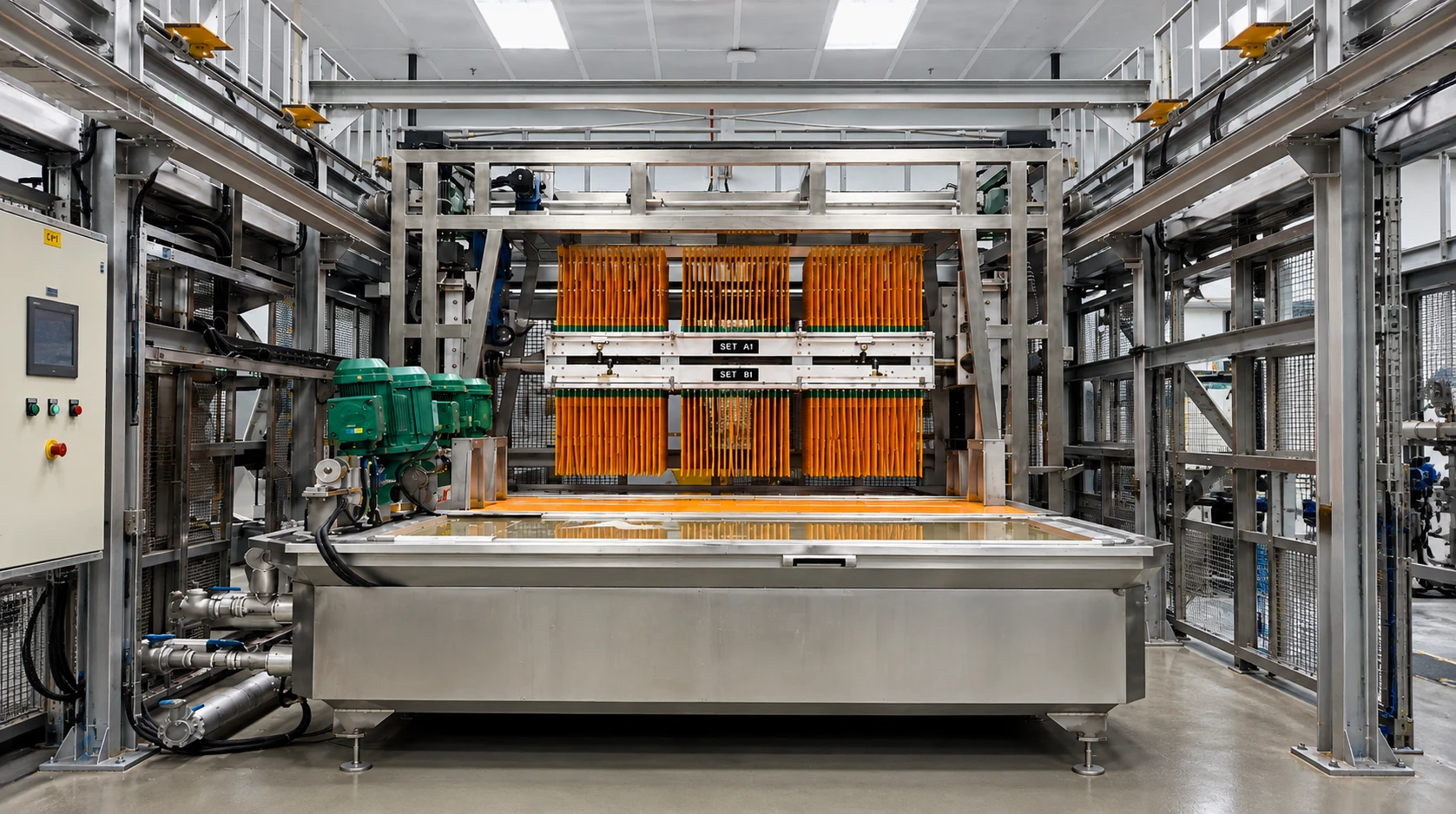
An automation system connects machines, handling equipment, sensors, and controls into one coordinated production environment. Instead of relying heavily on manual intervention between processes, the system manages movement, timing, sequencing, and response automatically to improve throughput, repeatability, and operational control.

How It Works

Automation is built around logic, coordination, and real-time response. The system receives input from sensors and equipment, processes that information through a control platform, and triggers the next action based on predefined operating conditions. This creates a more stable production flow, reduces dependency on manual handling, and improves consistency across the line.
Automated Latex Dipping-02
111
Input Detection

Sensors and field devices detect product position, machine status, cycle completion, and operating conditions across the line.

222
Command Processing

PLC, HMI, and control systems interpret incoming signals and determine the next sequence of actions based on programmed logic.

333
Movement Coordination

Conveyors, transfer units, lifts, robots, or manipulators move products between stations with controlled timing and positioning.

444
Machine Synchronisation

Multiple machines are linked to operate in sequence, allowing each stage to respond to upstream and downstream conditions in real time.

555
Process Monitoring

The system monitors cycle status, alarms, fault conditions, and operating data to maintain production stability and visibility.

666
Safety Control

Interlocks, emergency stops, guarding, and access control functions help protect operators and equipment during operation.

777
Feedback & Optimisation

Operating data can be used to fine-tune cycle time, reduce stoppages, improve response speed, and support long-term process optimisation.

Typical Problems Solved

Process Highlights

ESG & Energy Efficiency

GSE designs automation systems with sustainability and operating efficiency in mind. By improving machine coordination, reducing idle running, and stabilising process flow, we help manufacturers use equipment more efficiently while reducing waste, downtime, and unnecessary energy consumption.
Key focus areas:
7

FAQs

Condom Pilot Line-01
What is an automation system used for?
An automation system is used to coordinate machines, movement, and control functions automatically so production can run with better consistency and less manual intervention.
Yes. Automation can be developed for new lines or retrofitted into selected parts of an existing production setup, depending on layout and equipment compatibility.
The system can integrate conveyors, robots, transfer units, sensors, PLC panels, HMIs, safety devices, and process machines.
Not always. Some operations benefit more from semi-automation, where selected manual tasks are replaced to improve efficiency without overcomplicating the line.
Automation helps improve repeatability, reduce labour dependency, shorten cycle time, increase process visibility, and create a more stable production environment.

Need a Reliable Engineering Partner?

Share your requirements and we will recommend the best-fit solution.